AquaFlask 22oz Wide-Mouth Bottle with Spout Lid
₱700₱2,290Save ₱1,590
9/10 · Excellent
Official AquaFlask bottle listing with a 5.00 item rating and positive feed stock.
Confirm current price on Shopee PH before buying. · Report outdated price
The SulitScan editorial team prepares buyer guides using desk-researched product information, primary guidance where available, and practical pre-purchase checks. We do not claim hands-on testing unless an article explicitly says a product was tested.
In this guide
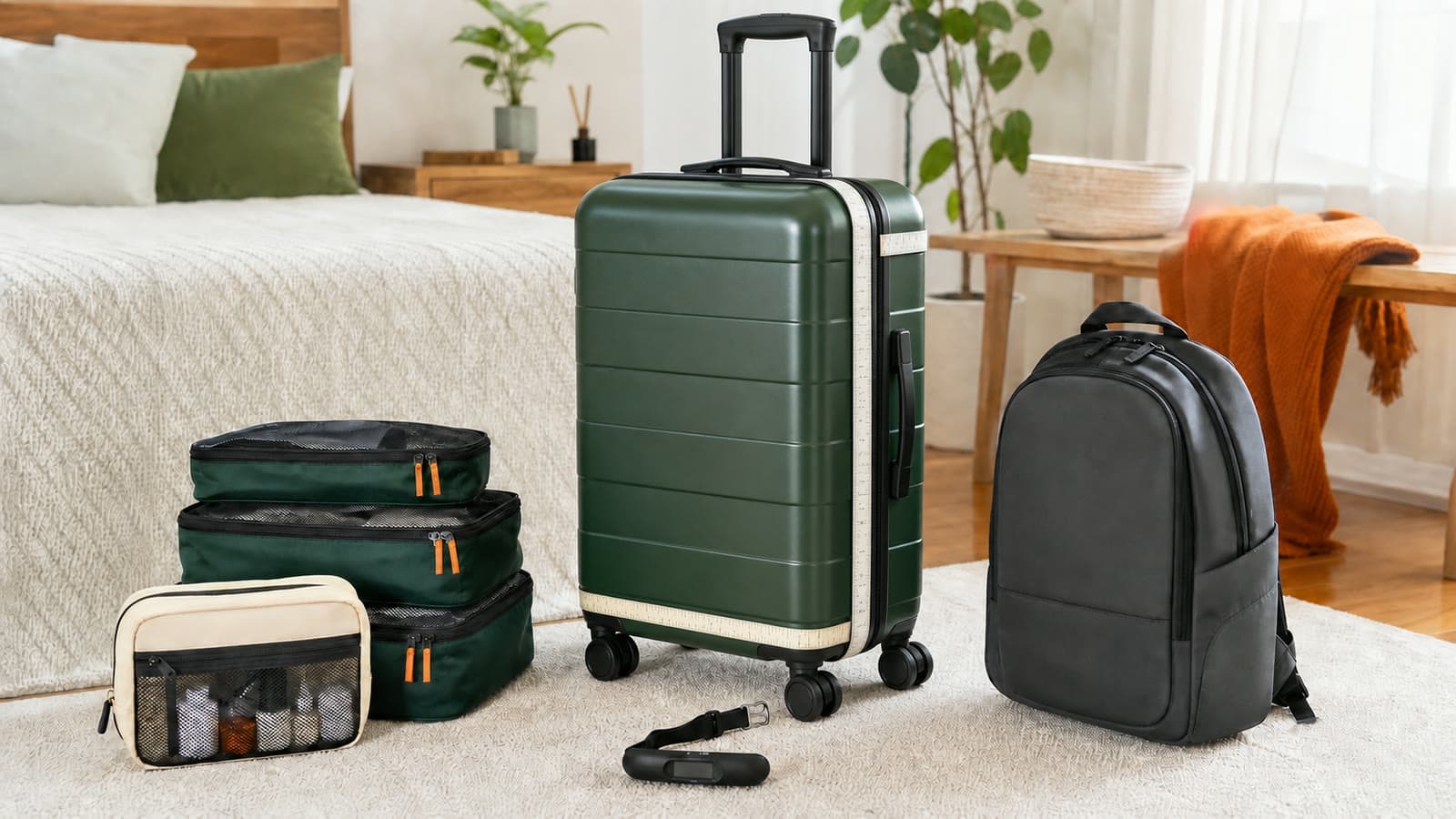
Carry-on luggage in the Philippines should be chosen against the rules for a booked trip, not a seller's "20-inch" label. Measure the complete exterior length, width, and height with wheels and handles included, record the empty weight, and compare every figure with the operating carrier and fare's current baggage page. A familiar cabin-size name is not approval from an airline.
Open the booked airline's official baggage rules before shopping. Write down its current piece, size, and weight limits for your fare and route. Reject any listing that does not provide complete exterior dimensions and empty weight, or ask the seller for those details in writing. Leave room for the belongings you will add; a case that starts close to the weight limit may leave little usable allowance.
Use a firm tape measure and keep the case unexpanded unless you plan to fly with it expanded. Stand it as it would sit in an airport bag sizer.
Do not substitute the internal compartment, body-only height, diagonal, or carton dimensions. If a listing diagram excludes wheels or handles, it is incomplete for an airline comparison. Ask the seller whether the measurements are external and which variation was measured.
Browse travel, fashion, and items under ₱1,000 after you establish the limits. A budget filter does not make an item compliant.
The current Philippine Airlines carry-on baggage page states one carry-on piece with individual maximum dimensions of 56 × 36 × 23 cm and a maximum weight of 7 kg. Confirm all details on PAL's page for the actual itinerary.
The current Cebu Pacific baggage guide lists a 7 kg total hand-carry allowance. It describes one overhead item within 56 × 36 × 23 cm and one under-seat personal item within 20 × 20 × 36 cm. Read the complete page for piece and item conditions rather than using the dimensions alone.
These are examples, not a universal Philippine standard. Airline policies, fare inclusions, aircraft constraints, routes, and bookings can differ or change. Recheck the operating carrier and fare shortly before travel, including every segment on a connection or codeshare. When the booking page and a general guide differ, ask the airline to clarify before departure.
Check the exact material description, panel flexibility, corner construction, base, seams, and how the case closes. Hard and soft cases trade structure, flex, pocket access, and repair options differently. Choose according to the contents and handling you expect; a material name alone does not prove impact, scratch, or water performance.
Trace the main zipper around corners and near the wheel housings. Check slider count, pull attachment, stitching, expansion section, and recent reviews about alignment or separation. If the case uses latches, find current instructions for closing, adjustment, and repair.
Confirm whether the listed dimensions include the wheels. Check wheel count, housing attachment, exposed parts, clearance, and whether the seller or maker offers a replacement route. Buyer videos can reveal movement on one surface, but they do not establish long-term performance.
Check the telescoping handle's extension positions, grip width, rails, and how far it protrudes when closed. Look for wobble or sticking reports from the exact variation, while recognizing that reviews describe individual orders. Fixed top and side handles affect both lifting and external dimensions.
Identify the lock type and follow its current setup instructions. Check whether the lock is built in, removable, or merely shown as a prop. A lock does not make a bag loss-proof, damage-proof, or acceptable for every screening process; keep valuables and required documents according to the carrier's current guidance.
Read who provides support, which country or seller handles a claim, what parts and defects are covered, the evidence required, and who pays return shipping. A warranty badge without accessible terms is not enough. Photograph the parcel and test zippers, wheels, handles, and the lock indoors before removing labels or taking the case outside if the return policy allows that inspection.
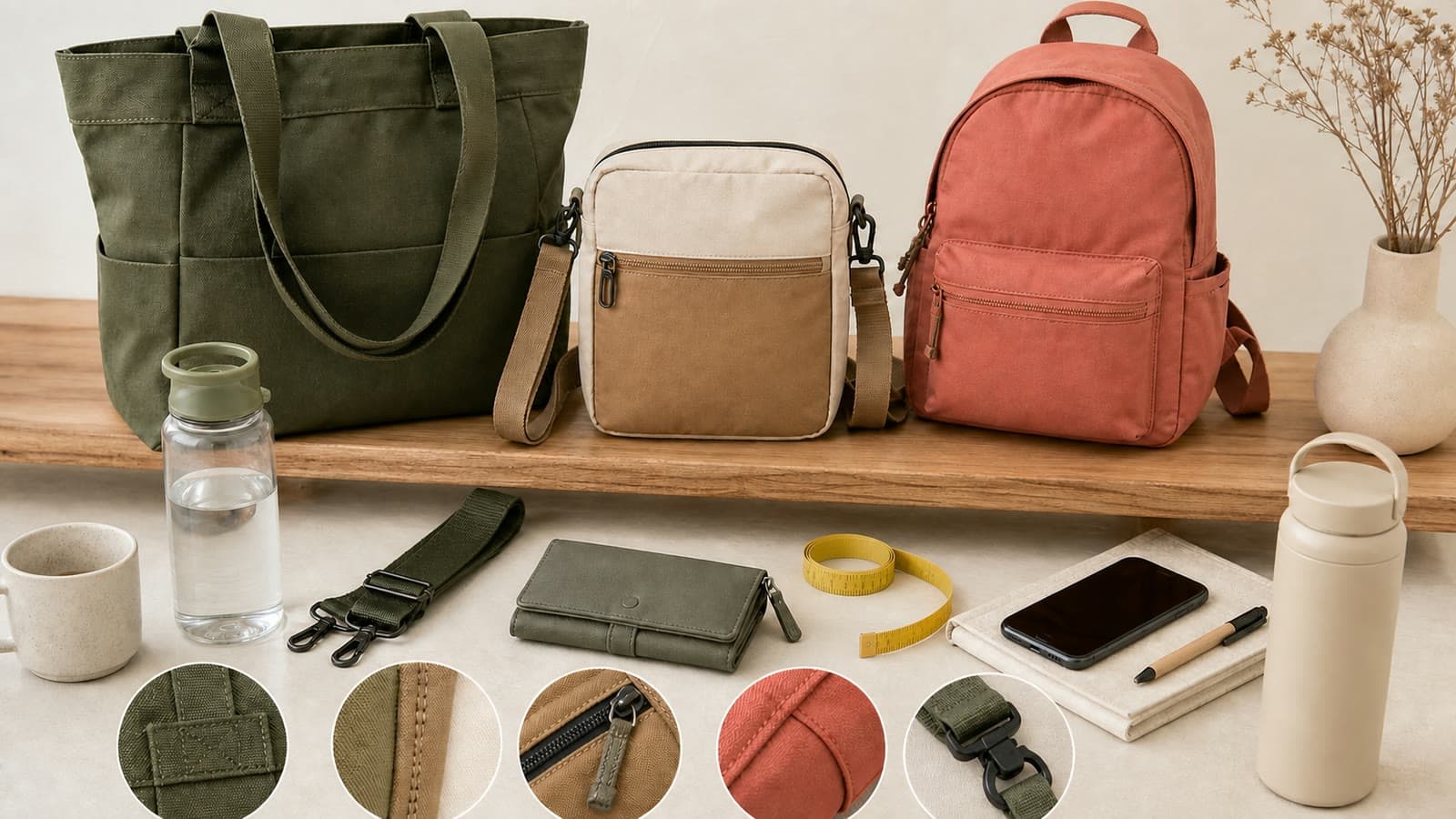
Compare seller and fulfillment details using the independent Temu shopping guide or current Shopee PH listings. The bags under ₱500 guide adds a use-case method for backpacks, totes, and personal items.
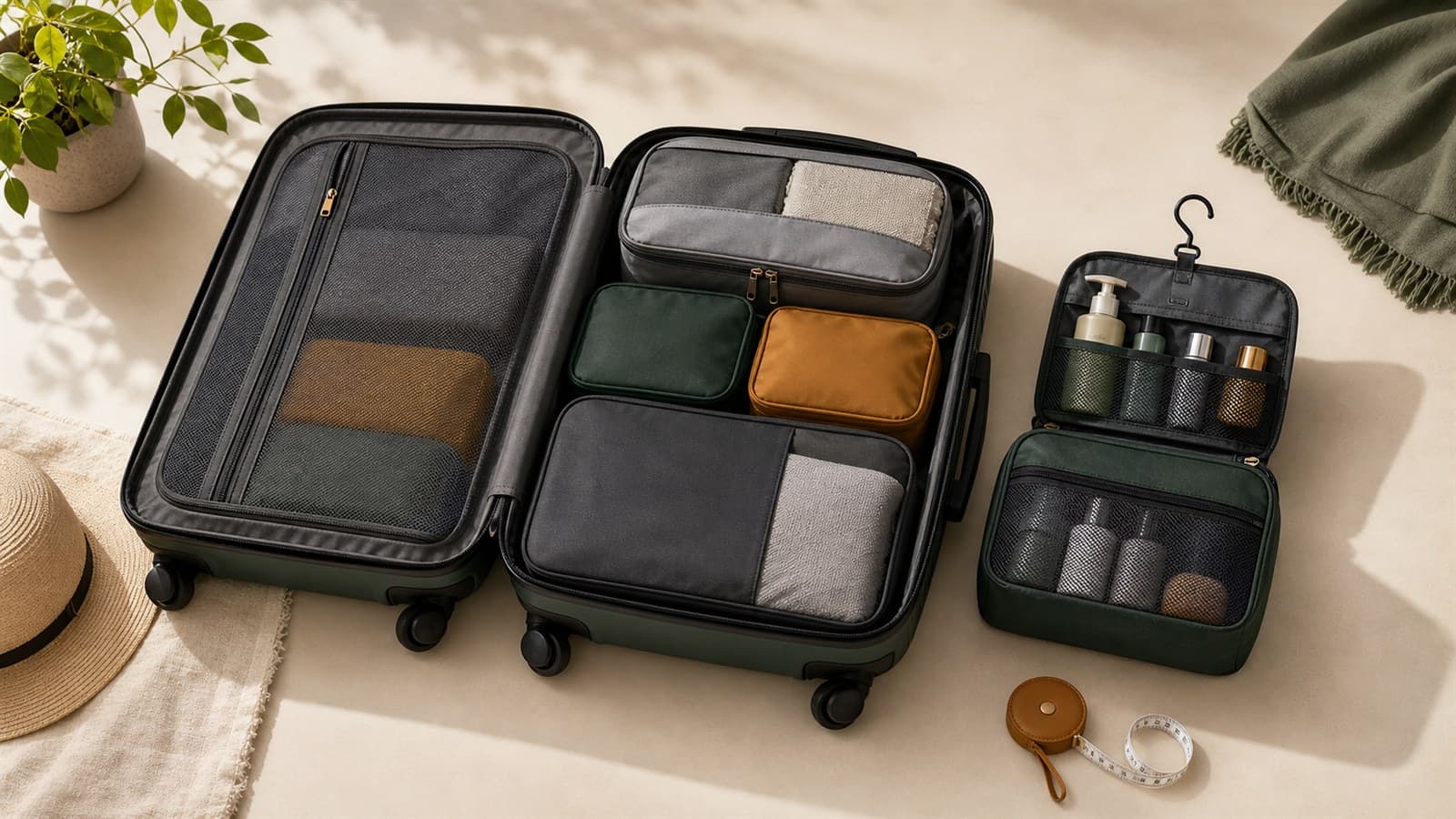
Packing cubes and pouches can separate clothing, cables, or toiletries, but they add their own weight and do not increase an airline allowance. Measure and weigh the packed case after adding organizers. Do not use compression or the luggage expander to push the exterior past the carrier's current dimensions.
Organizers are useful only when they make the contents easier to access or account for. A light packing list, an allowed smaller personal item, or fewer containers may work better than buying another set of pouches.
Our travel packing organizers guide explains how to compare cube, pouch, toiletry, and hanging designs without treating compression as extra baggage allowance.
We used the SulitScan editorial policy, checked official airline pages for the examples above, and reviewed active Fashion and Travel catalog entries carrying luggage, travel, bag, or organizer signals. Recommendations are limited to one to three items, exclude suspicious discount percentages, and must match the assigned category and tag rules. We did not physically measure, weigh, roll, fly with, or durability-test the listed products.
SulitScan may earn a commission when you click a partner link and complete a purchase, at no extra cost to you. We do not physically test luggage or guarantee airline acceptance, durability, security, warranty service, or delivery. Airline policies, listings, prices, and return terms can change. Confirm the booked carrier's current rules and measure the actual packed bag. See our full Affiliate Disclosure.
No. The label is not a complete external measurement or airline approval. Measure length, width, and height with wheels and handles, weigh the empty and packed case, and compare with the booked carrier and fare's current rules.
Use the complete exterior for airline comparison, including wheels, fixed handles, feet, guards, pockets, and any expanded section. Ask the seller when its diagram does not say what is included.
The empty case uses part of the carrier's weight allowance. Weigh it with the accessories you will keep attached so you know how much room remains for belongings.
No. Organizers can separate or compress contents, but they add weight and do not change the airline's size, piece, or weight limits. Measure and weigh the final packed bag.
Check before buying luggage, after booking or changing a fare, and again near departure. Confirm the operating carrier and every segment because policies and booking conditions can differ.
Tags
Get weekly sulit finds in your inbox
Shopping tips, price-check reminders, and the best deals, free.
Confirm the current price, vouchers, and shipping on the partner store before buying.
Official AquaFlask bottle listing with a 5.00 item rating and positive feed stock.
Confirm current price on Shopee PH before buying. · Report outdated price
Explore SulitScan